Clear Lake Waterfront Homes Guide for Boat Owners
February 5, 2026
February 5, 2026
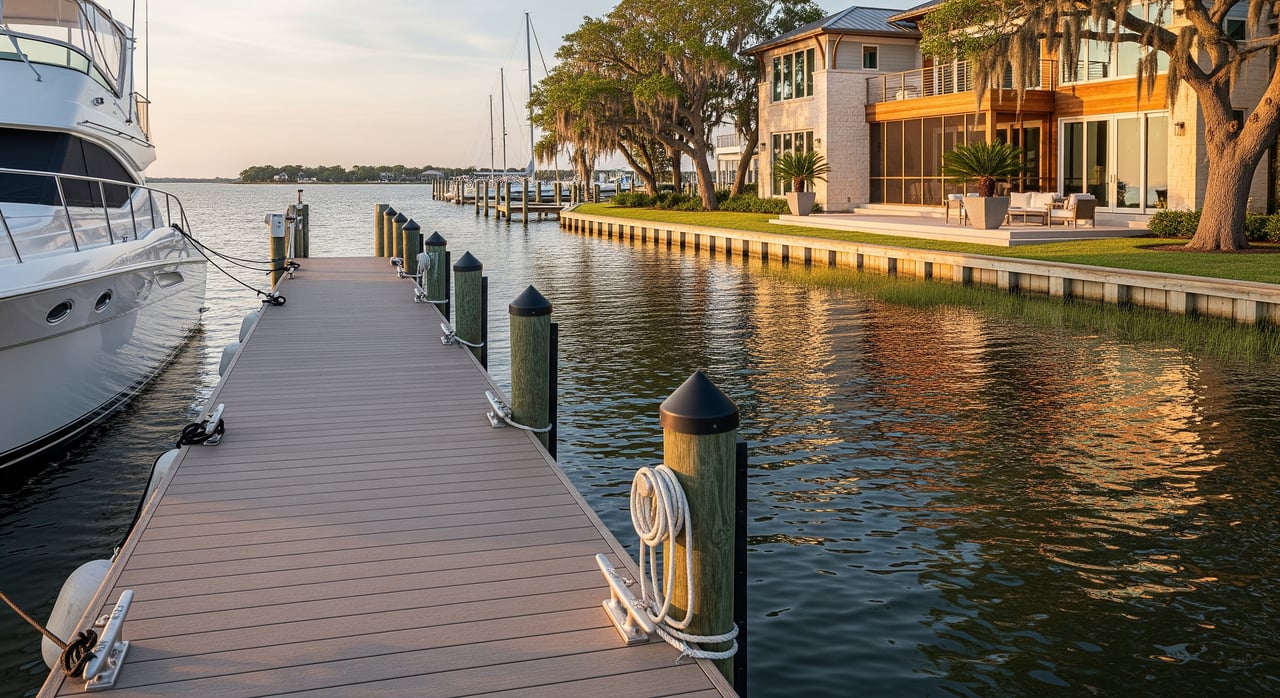
Love the idea of stepping from your back deck onto your boat and cruising into Galveston Bay? In Clear Lake, you get easy access to the bay, the Intracoastal Waterway, and even the Gulf of Mexico. You also take on coastal responsibilities like dock upkeep, flood insurance, and storm prep. This guide breaks down what boat owners should know about marinas, docks, HOA rules, permits, insurance, and daily life in the Harris County side of Clear Lake. Let’s dive in.
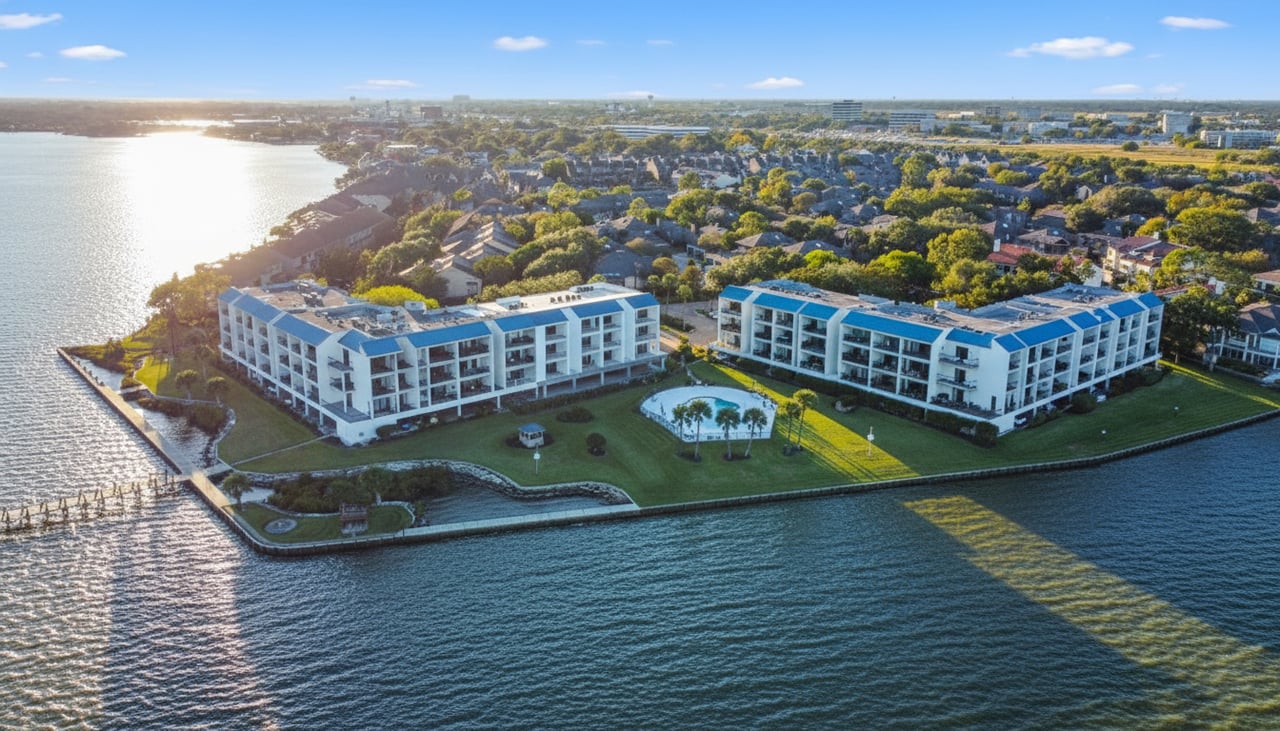
Clear Lake sits on the north shore of Galveston Bay, with canals and waterways that connect you to the bay, the Intracoastal Waterway, and the Gulf. The boating season is long thanks to a warm, subtropical climate. You do need to plan for Atlantic hurricane season, which runs from June through November, and for wind-driven water level changes.
You’ll enjoy a lively waterfront scene near the Kemah and Clear Lake entertainment corridor. Expect more boat traffic on weekends and holidays. If you trailer your boat, the main roadways are NASA Parkway, Highway 146, and I-45.
You’ll find a mix of public launch ramps, private full-service marinas, HOA or community marinas, and dry-stack or covered storage. Private marinas often offer fuel, pump-out, shore power, security, and on-site service. HOA marinas can reserve slips for residents and may have waitlists.
If your home is on a canal, you may have a private dock or lift. For certain boat sizes, dry-stack storage can reduce saltwater exposure and storm risk. Always confirm capacity limits and rules for your exact boat dimensions.
Tip: Visit several marinas in person, bring your boat measurements, and review contract terms before you commit.
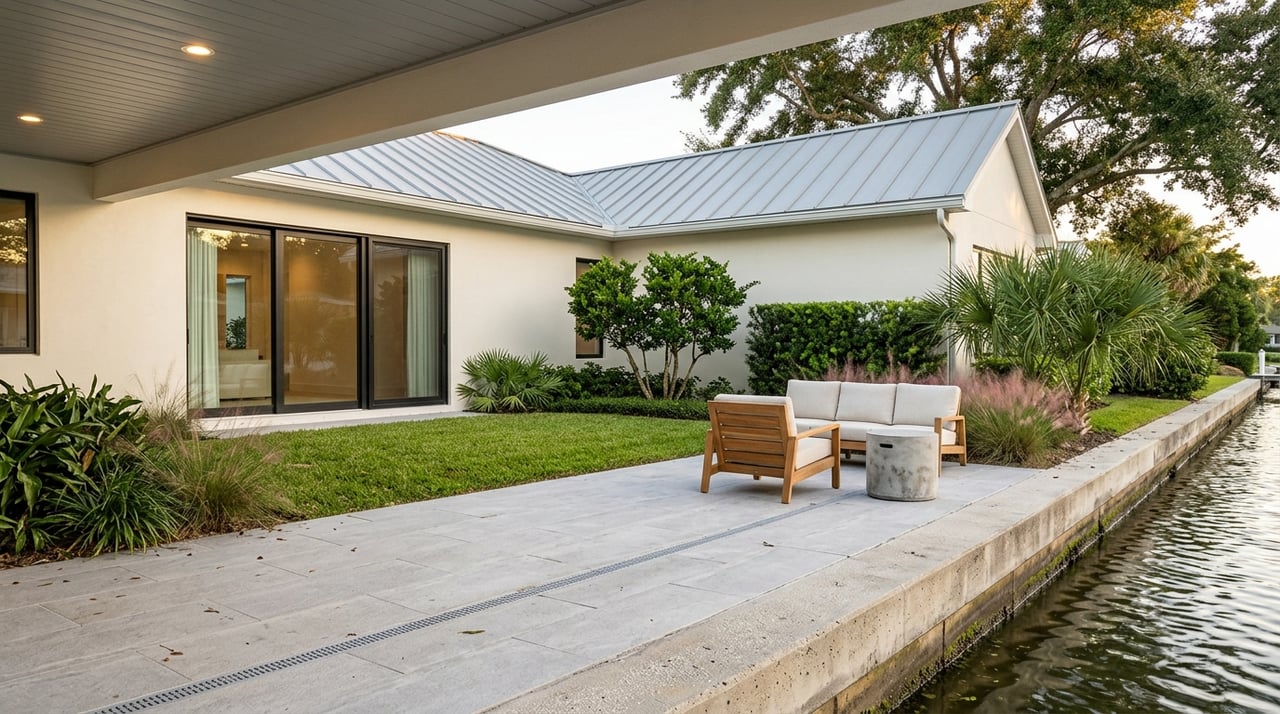
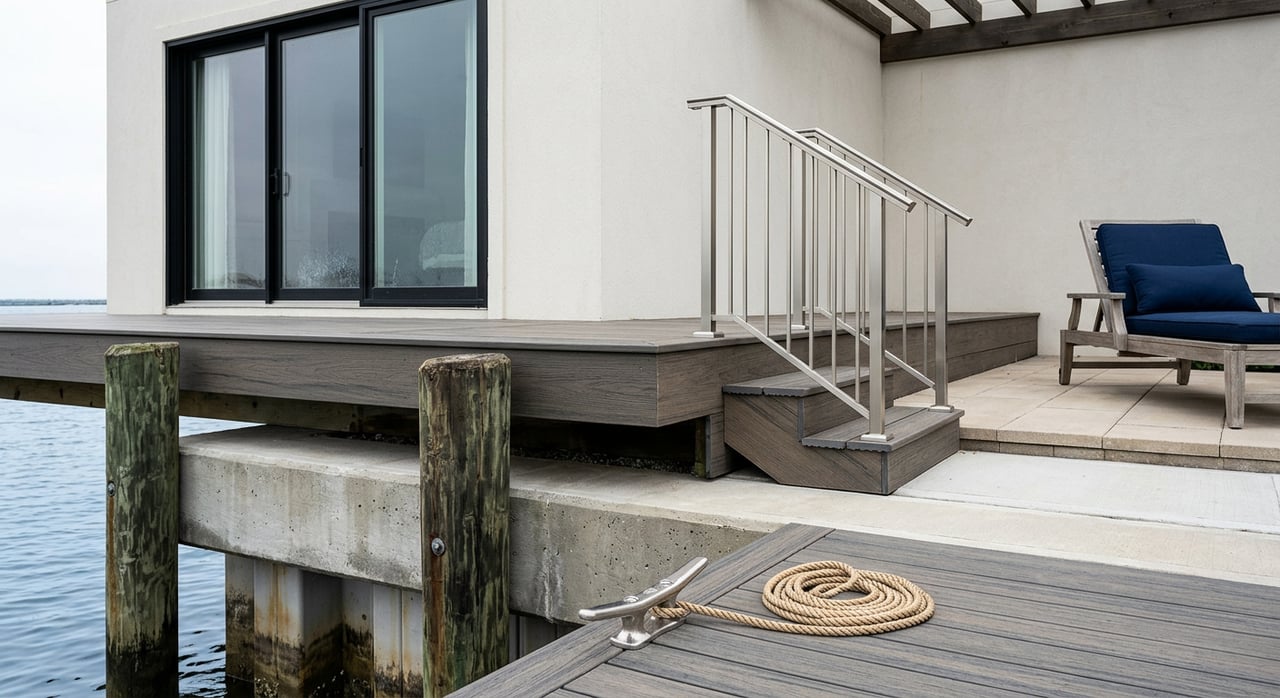
If your property includes a dock or seawall, you’re usually responsible for upkeep, repairs, and storm damage. Older bulkheads in some neighborhoods need periodic attention. Ask sellers for inspection reports, permits, and repair records so you understand the condition and expected costs.
Tidal and riparian rights can vary by deed and location. A current survey helps confirm boundaries and access. Because repairs can be significant, plan for professional evaluations during your option period.
Docks, lifts, and seawalls often require permits from local and sometimes state or federal agencies, especially in tidal or navigable waters. Depending on scope and location, approvals may involve Harris County, the Texas General Land Office, the Texas Commission on Environmental Quality, and the U.S. Army Corps of Engineers. If your home is in an HOA, you’ll likely need Architectural Review approval for design, placement, and materials.
Always confirm the permitting authority for your address and ask sellers for permit history. Rules vary with jurisdiction.
HOAs commonly regulate maximum boat length, visible storage of boats and trailers, dock standards, guest slip use, and storm-season procedures. Some communities maintain marinas and canals, and they may levy assessments for dredging or repairs. Canal depth and width can limit access for deeper-draft boats, especially at lower water levels.
If you plan to keep a larger boat at home, verify canal depth, turning radius, and any nearby bridge or clearance issues before you buy.
Texas requires vessel registration and visible numbers with current validation stickers. Safety rules cover BUI enforcement, life jackets, fire extinguishers, and more. Review the Texas Parks and Wildlife Department’s boating guidance, including boat registration and laws and boater education requirements, so you have the latest information before launching.
Clear Lake’s marinas typically offer pump-out stations and fuel. Local marine patrols and the U.S. Coast Guard Auxiliary support safety on busy weekends and holidays. For navigation and water level checks, use official tide and current data.
Boat insurance is separate from your homeowner’s policy, and coverage can vary by storage type and navigation area. Waterfront homes in mapped flood zones often require flood insurance if you have a mortgage. Even outside high-risk zones, flood insurance is worth considering in low-lying coastal areas.
Hurricane plans are part of waterfront living. Many marinas and HOAs outline steps for storm readiness. Prepare a plan before the season begins.
You’ll love quick access to fishing, cruising, and waterfront dining. Expect more boat and car traffic near Kemah and popular marinas on weekends. Busy times can mean wait times at launch ramps.
For daily driving, NASA Parkway, Highway 146, and I-45 see typical Houston-area congestion at peak hours. Water commuting to downtown Houston isn’t common for most residents. It can work for leisure trips or special arrangements, but it is not a practical daily commute for most people.
Clear Lake offers excellent day-to-day boating with fast routes to Galveston Bay and beyond. If you plan ahead for docks, permits, HOA rules, storm prep, and insurance, the lifestyle can fit smoothly with your daily routine. Take the time to inspect docks and bulkheads, confirm slip or canal access, and visit neighborhoods at peak times to see true traffic and wake conditions.
If you want a local guide who speaks “boater,” reach out to Lori Vaughn for neighborhood-by-neighborhood insight, on-the-water access tips, and a smooth plan for your purchase. Schedule your free consultation and get the details you need to buy with confidence.
Stay up to date on the latest real estate trends.

Waterfront Real Estate
Helping buyers and sellers understand waterfront value in Clear Lake and Nassau Bay
Trust her local insight and dedicated service to guide you through the Houston area real-estate market. With her expertise, personalized support, and commitment to your goals, you’re in excellent hands.