Thinking about life by Clear Lake and trying to decide between a condo or a townhome in Nassau Bay? You are not alone. Many buyers weigh low maintenance, water access, and insurance costs before choosing a home type. In this guide, you will learn how each option works, what it really costs, how HOAs and insurance differ, and how to match the lifestyle to your goals. Let’s dive in.
Nassau Bay living at a glance
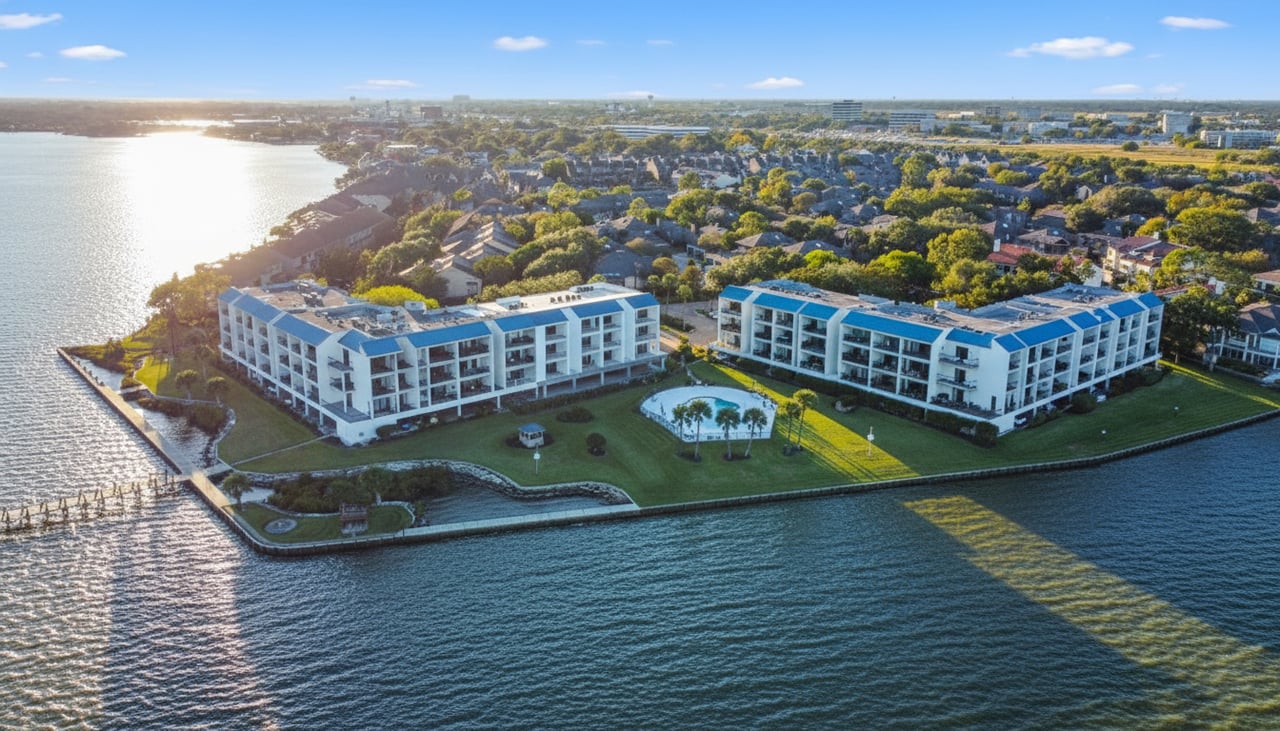
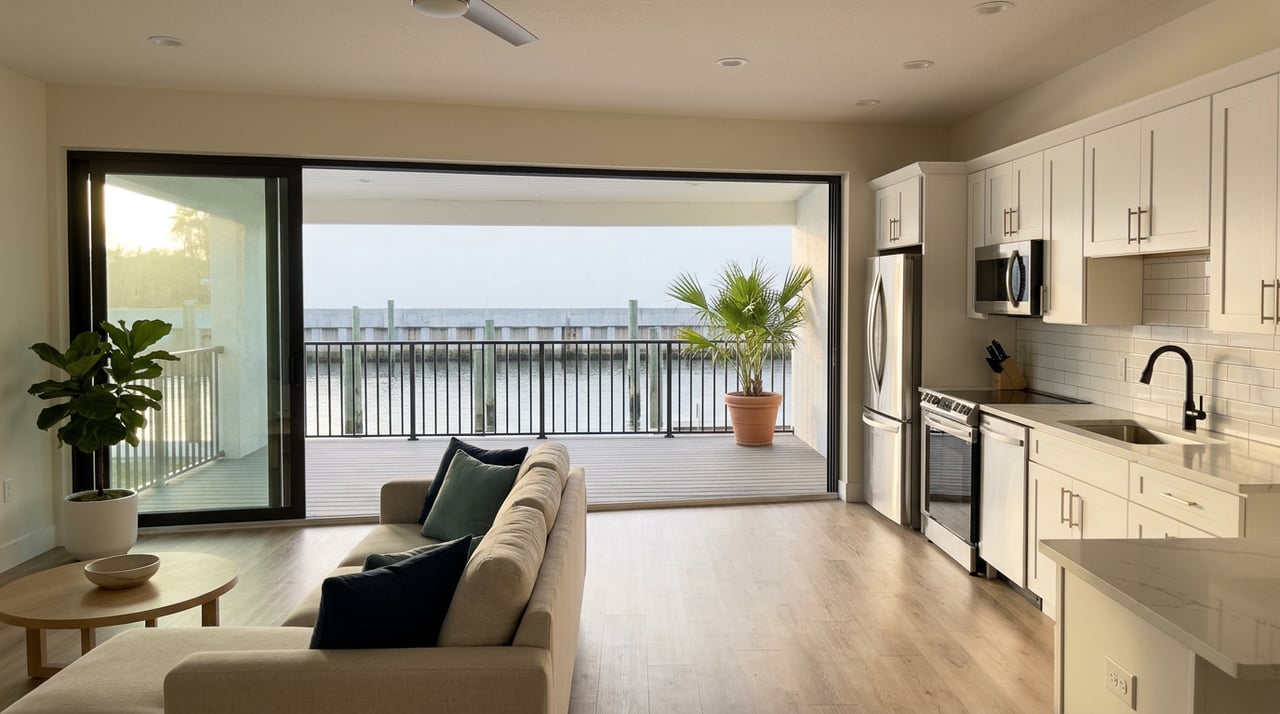
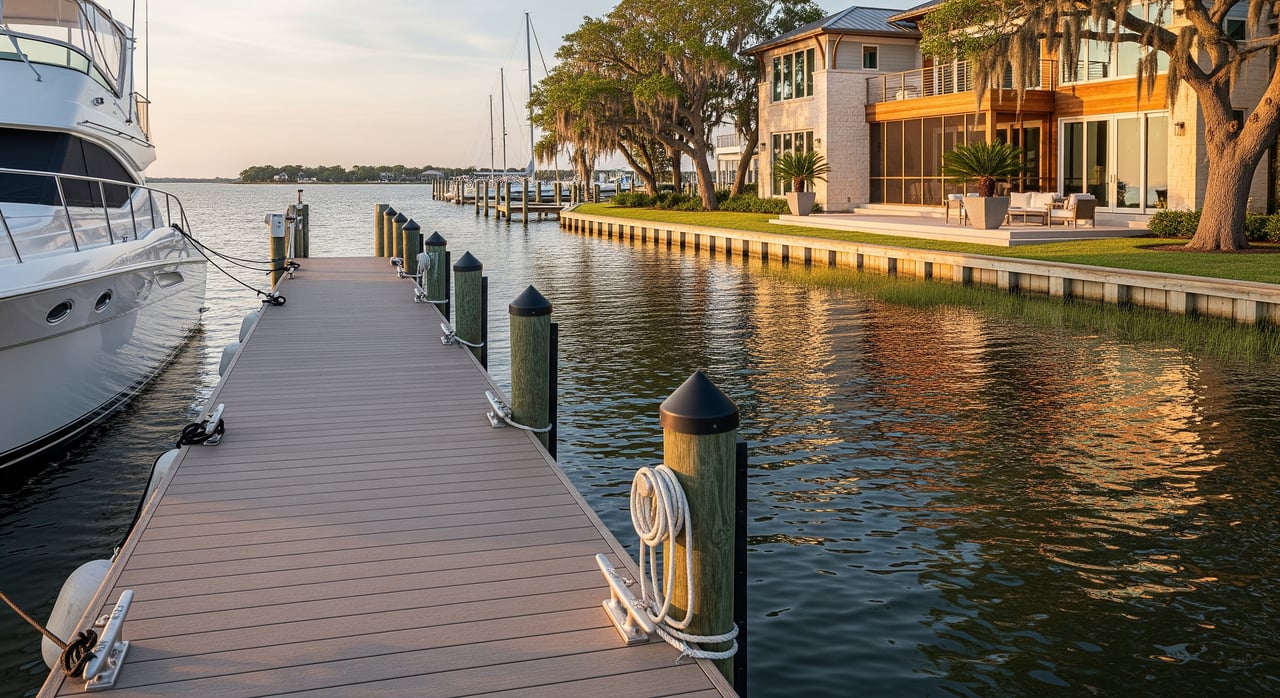
Nassau Bay sits along the Clear Lake and Galveston Bay complex, next to the Johnson Space Center. Buyers come for boating and waterfront recreation, a smaller coastal community feel, and proximity to Bay Area employers. Units with water views and waterfront access generally command a premium, which can influence insurance costs and long-term resale.
Because Nassau Bay is a coastal market, plan for hurricane exposure, storm surge, and potential flood risk. Many properties sit in FEMA flood zones. Base flood elevation and elevation certificates can shape lender requirements and insurance pricing. These details matter as much as the floor plan when you compare condos and townhomes.
What you actually own
Ownership is the core difference between condos and townhomes. That ownership drives maintenance, insurance, and even your monthly budget.
Condo ownership basics
- You usually own the interior of your unit, often described as the “airspace,” plus a shared interest in the common elements.
- The association controls and maintains the building shell, roof, land, amenities, parking, and other shared systems.
- Your rights and responsibilities live in the association’s governing documents. Always verify what the master policy insures and what falls to you.
Townhome ownership basics
- You often own the structure and the land under it, which looks more like traditional single-family ownership with shared walls.
- Exterior responsibility varies by community. Some HOAs handle roofs and exteriors, others do not.
- Read the CC&Rs and bylaws to confirm who repairs what. The label “townhome” does not guarantee lower maintenance.
HOA roles and fees
HOA scope can be broad in a condo and narrower in a townhome, but a community’s documents always set the rules.
What condo HOAs cover
- Building exterior, roof, structural components, landscaping, and common areas.
- Amenities such as pools, docks, elevators, parking lots, and shared utilities or systems.
- A master insurance policy on the building shell. This broader scope often means higher monthly dues.
What townhome HOAs cover
- Common areas and site items like private roads, lighting, or stormwater systems.
- Sometimes exterior painting or roofing, but not always.
- Fees can be lower than comparable condos, yet you may take on more direct maintenance as an owner.
Insurance and flood reality
Insurance structure differs by property type and location. In Nassau Bay’s coastal setting, flood and wind risk deserve close attention.
Homeowners policies
- Condo buyers typically carry an HO-6 policy for the unit interior, improvements, and contents. The association holds a master policy for common elements and the structure. Confirm if the master policy is “bare walls” or “all-in,” and review any loss assessment coverage.
- Townhome buyers often use an HO-3 or HO-5 policy that covers the exterior and interior, since they usually own the full structure. If your HOA manages exteriors, your policy may be narrower. Know where your coverage starts and stops.
Flood and windstorm
- Flood insurance is separate. Lenders usually require it if the property sits in a high-risk FEMA zone. Elevation, flood zone, and an elevation certificate can affect premiums.
- Coastal wind exposure can influence premiums and coverage options. Some buyers review resources from the Texas Windstorm Insurance Association for guidance on coastal risks.
Maintenance and true cost
Your monthly budget is more than a mortgage payment. The practical difference is what you pay your HOA versus what you pay contractors directly.
- Condos often collect higher dues because the association budgets for roofs, elevators, docks, and daily operations. You trade higher dues for less direct maintenance.
- Townhomes sometimes have lower dues, but you may shoulder more exterior upkeep. The savings can flip if a big repair lands on your plate.
- Review the association’s operating budget, reserve balance, recent meeting minutes, and any reserve study. Ask about upcoming capital projects and special assessments. A well-run association with healthy reserves can reduce the risk of costly surprises.
- Plan for ongoing costs: property taxes, utilities, HOA dues, homeowners and flood insurance, and routine upkeep. Some condos include certain utilities in dues. Tax treatment can differ based on whether land is deeded with your unit. Check local records for specifics on a property you are considering.
Lifestyle fit: which suits your goals
Choosing between a condo and a townhome comes down to how you want to live, not just what you want to own.
If you are downsizing
- Condos appeal if you want minimal exterior upkeep, included amenities, and possible elevator access.
- Townhomes fit if you prefer a house-like feel, a garage, or a bit more privacy.
- If single-level living matters, focus on ground-floor condos or townhomes specifically designed as single-level homes.
If you are buying a second home
- Condos often make “lock-and-leave” living easier, since the association handles landscaping and building care. Just confirm guest policies and any rental restrictions.
- Townhomes give more space and privacy for family and friends, but you may need a local plan for upkeep when you are away.
- If you are interested in short-term rental, check HOA rules and local ordinances before you buy. Many coastal associations restrict short-term rentals.
Waterfront must-knows in Nassau Bay
Waterfront living offers a special lifestyle, and it comes with specific tradeoffs.
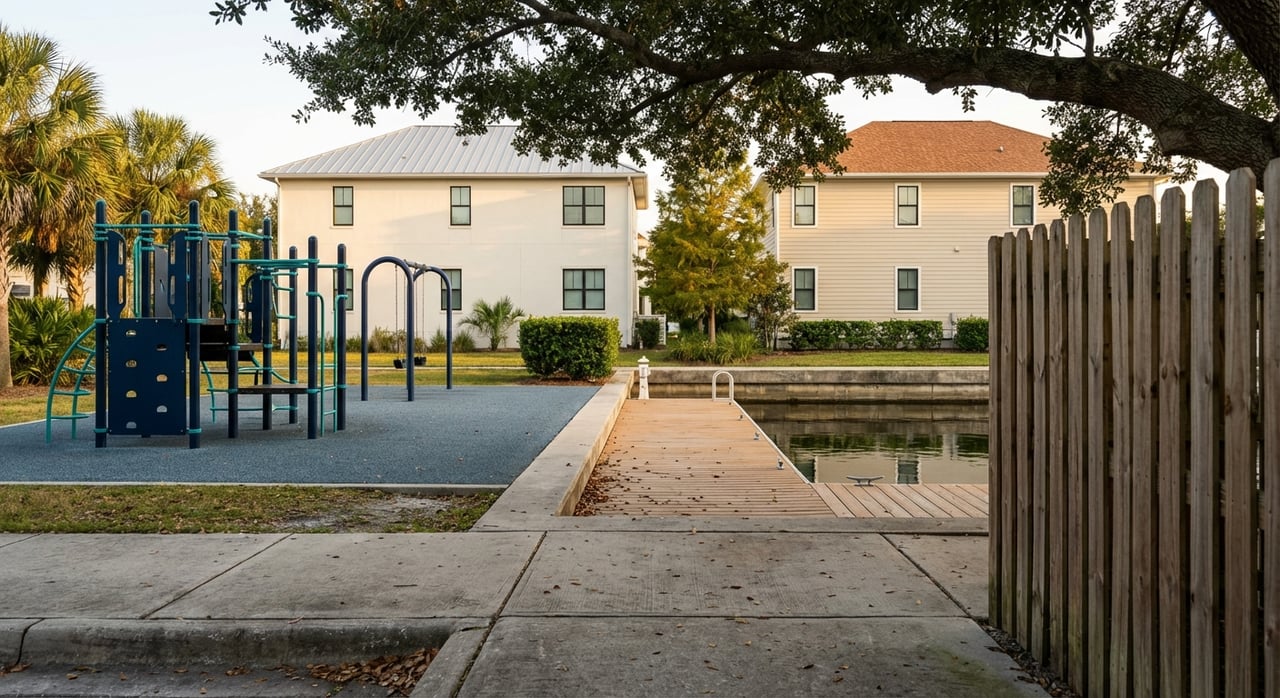
- Access: Ask about boat slips, community marinas, and rules for docks. Understand slip assignment, waitlists, and any usage fees.
- Safety and systems: Look at elevation of living spaces, location of mechanicals, and whether there are hurricane-rated windows or shutters.
- Maintenance reality: Salt air and moisture can lead to faster wear on exteriors and systems. Units on the water may have higher insurance and maintenance costs. Homes one or two rows back might reduce exposure while keeping a view.
- Storage and parking: Condos may offer assigned spaces and elevators. Townhomes often include private garages but can have less guest parking. Make sure the setup matches your daily needs and your seasonal gear.
Due diligence checklist
Use this quick list as you compare properties in Nassau Bay.
- Association documents: CC&Rs, bylaws, rules, recent meeting minutes, operating budget, reserve fund balance, any reserve study, master insurance declarations, special assessments, rental policies, guest and parking rules, pet policy, and boat or dock rules.
- Insurance: Obtain the condo master policy declarations. For your unit, get HO-6 or HO-3/HO-5 quotes. Confirm flood zone and review any elevation certificate. Get sample flood quotes for that specific address.
- Property condition: Ask for recent structural reports, roof age and repair history, and evidence of water intrusion or mold. Review HVAC, plumbing, and electrical. If waterfront, inspect seawalls, pilings, docks, and erosion control.
- Lending and project review: For condos, check mortgageability and any project standards that lenders use. The share of owner-occupied versus rental units can affect financing and insurance.
- Taxes and local checks: Confirm the school district, tax rates, and taxing entities through local appraisal records. Review any municipal rules that affect docks or waterfront improvements.
- Daily living test: Evaluate parking for you and guests, elevator reliability and stair access, and proximity to groceries, medical care, restaurants, and your commute to NASA or nearby employers.
How to choose with confidence
If you want fewer maintenance decisions and predictable services, a condo may be the better fit. If you want more control, a garage, and a house-like feel, consider a townhome. In Nassau Bay, flood risk and insurance can be the tie-breakers, so put those items near the top of your checklist. The right answer is the one that balances your lifestyle, budget, and comfort with risk.
When you are ready to compare real properties, you can lean on local guidance for HOA reviews, insurance questions, and waterfront nuances. For a clear plan tailored to your goals, connect with Lori Vaughn. Schedule your free consultation and get step-by-step support from search to closing.
FAQs
Who fixes the roof in Nassau Bay condos or townhomes?
- In most condos, the association handles roofs. In many townhome communities the owner is responsible, unless the CC&Rs state the HOA covers exteriors. Always confirm in the documents.
Do condo HOAs cost more than townhome HOAs in Nassau Bay?
- There is no fixed rule, but condos often have higher dues because they maintain the building shell, amenities, and shared systems. Review the budget and reserves to see what your dues fund.
Is flood risk higher for condos or townhomes near Clear Lake?
- Flood risk depends on location and elevation, not the property label. Waterfront or low-elevation units of either type are more likely to sit in higher-risk zones and require flood insurance.
What insurance do I need for a Nassau Bay condo or townhome?
- Condo buyers typically carry an HO-6 for the interior and contents while the association holds a master policy. Townhome buyers often use an HO-3 or HO-5 that covers the structure and interior. Flood insurance is separate and based on FEMA flood zones and elevation.
Can I short-term rent a Nassau Bay condo or townhome?
- It depends on the HOA rules and local regulations. Many coastal associations restrict or prohibit short-term rentals. Check the CC&Rs and bylaws before you buy.
What should I review before making an offer in Nassau Bay?
- Gather HOA documents, master insurance details, flood zone information and any elevation certificate, recent inspection records, reserve status, and any special assessments. Confirm lending eligibility if buying a condo and review property tax details for that address.