Understanding Nassau Bay Waterfront HOA Costs
May 21, 2026
May 21, 2026
If you are eyeing Nassau Bay for its waterfront lifestyle, HOA dues can look simple at first glance and feel a lot more complicated once you start comparing properties. That is especially true when you are looking at condos, townhomes, canal-front homes, or properties with marina access. The good news is that a little local context goes a long way, and understanding the real cost of ownership can help you buy with confidence. Let’s dive in.
In Nassau Bay, HOA costs can differ quite a bit from one property to the next. Recent listing examples show dues ranging from $123 per year for a single-family home to $914 per month for a waterfront condo. In between, you may see canal-side or waterfront townhomes at monthly dues like $50, $477, or $600.
That wide range matters because there is no single "typical" HOA fee you can apply to every property in Nassau Bay. In Texas, regular assessments are recurring dues, while special assessments are one-time charges for major repairs, unexpected events, or improvement projects. Texas law does not set a general cap on how much or how often assessments may increase, so the limits usually come from the community’s governing documents.
The type of home you buy often has a big impact on what you pay. A single-family home may have low annual dues if the association maintains only limited shared areas. A condo or waterfront townhome may have much higher dues because the association is maintaining shared structures, amenities, and systems.
For condominiums in Texas, associations must levy assessments at least annually and base them on an adopted annual budget. That structure often leads to more comprehensive dues because the association is responsible for common elements. If you are comparing a condo to a detached house, you are not just comparing a fee. You are comparing two different ownership and maintenance setups.
One of the biggest mistakes buyers make is focusing on the dollar amount without asking what the fee actually includes. In a waterfront setting, dues may cover much more than front-yard landscaping or neighborhood entry maintenance. They can reflect the cost of maintaining buildings, insurance, utilities, and shared amenities.
In Texas condos, the association is generally responsible for maintenance, repair, and replacement of common elements, while the owner is responsible for the unit itself. That is why condo dues can feel higher, especially in communities with more shared infrastructure. In Nassau Bay listing examples, some fees include common areas, insurance, internet, grounds maintenance, structural maintenance, recreation facilities, sewer, trash, and water.
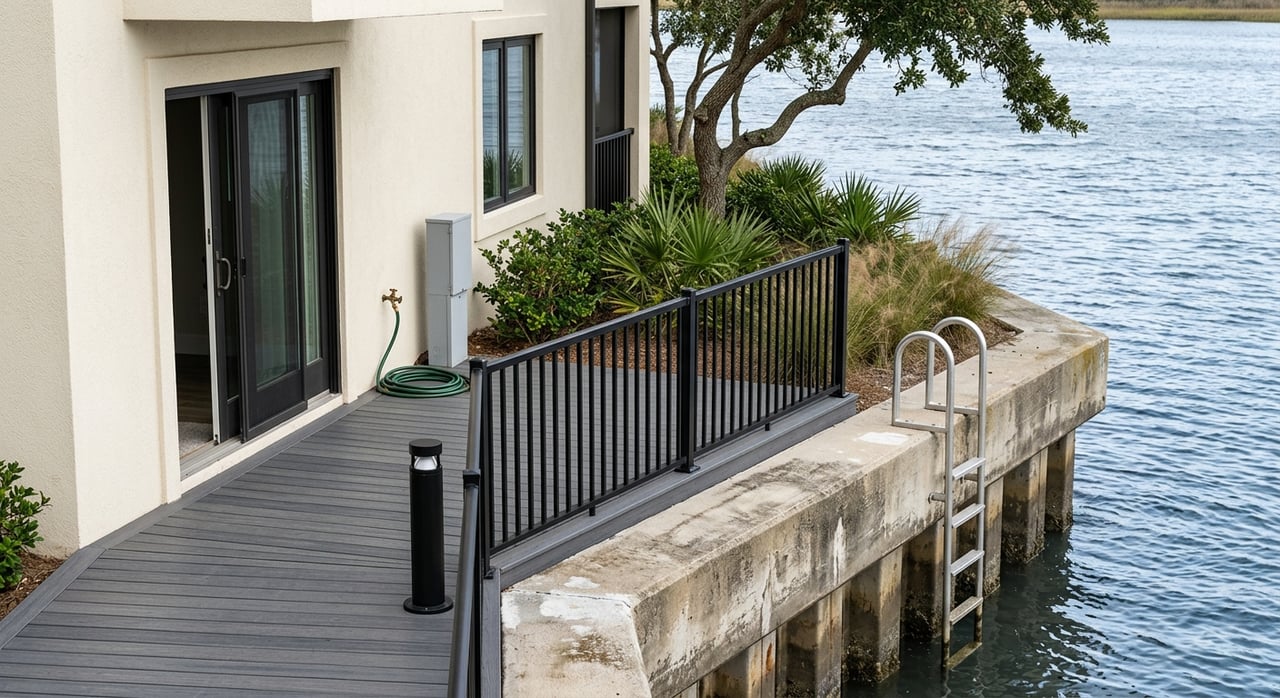
Waterfront ownership often comes with amenities that can raise monthly dues. Some Nassau Bay listings note boat facilities and marina boat slips, which can be part of the community’s cost structure. If a property includes access to docks, boardwalks, gated entries, pools, or marina-related features, those items may affect both current dues and future budget needs.
The key point is simple: do not assume every waterfront HOA fee covers the same things. The declaration and community documents control what is shared, what is unit-specific, and what may be billed separately. Before you fall in love with a low monthly payment, make sure you understand whether key waterfront features are included in the base fee or come with extra charges.
Buying near the water in Nassau Bay can be a great lifestyle move, but it also comes with extra planning. HOA dues are only one part of the cost picture. Insurance, permits, and long-term shoreline maintenance can all affect your budget.
Nassau Bay’s flood information says the city is especially vulnerable to tropical storms and flood-related events. The city participates in the National Flood Insurance Program and encourages residents to maintain flood insurance. The city also states that standard homeowners insurance does not cover flood damage, and flood insurance policies have a 30-day waiting period before they take effect.
If a home is in a designated flood zone and you are using a federally backed mortgage, flood insurance may be required. Even when it is not required by a lender, the city encourages owners to maintain it because of local flood risk. That means flood insurance should be treated as a core part of your ownership budget, not an afterthought.
For buyers, timing matters too. Because of the waiting period, you do not want to leave this conversation until the last minute. It is smart to confirm flood insurance options early in the buying process so there are no surprises before closing.
Texas Department of Insurance guidance also notes that coastal homeowners may need separate wind and hail coverage because a standard coastal homeowners policy may not cover that risk. For a Nassau Bay purchase, it is wise to confirm three areas of coverage before closing:
This is one of the most important budgeting steps for waterfront and near-water properties. A home with manageable dues can still carry a higher total monthly cost once insurance is fully accounted for.
Another key part of waterfront ownership is understanding local permitting. The City of Nassau Bay states that all development in the floodplain requires a permit, and the floodplain encompasses all of Nassau Bay. That can affect repairs, additions, and waterfront improvements.
The city also notes that substantially damaged or improved structures at or above 50% of market value may require a permit and an elevation certificate. If you are planning to update a waterfront property, repair storm damage, or improve features near the shoreline, these requirements can affect both timeline and cost. For buyers considering a fixer-upper or long-term project, this is an important part of due diligence.
Waterfront features can be a major lifestyle benefit, but they are not maintenance-free. NOAA notes that hardened shoreline structures such as bulkheads can degrade over time because of waves and storms. When major repairs are needed, costs can be significant.
That means bulkheads, docks, and boardwalks should be treated as reserve items in your personal budget. Whether those features are maintained by the association or by the owner depends on the property and governing documents. Either way, they should never be assumed to be permanent, low-cost amenities.
If you are seriously considering a Nassau Bay property with HOA dues, ask for more than the current monthly number. Texas seller disclosure rules require sellers to disclose awareness of HOA fees or assessments, and buyers should also receive notice related to membership in a property owners’ association. Those disclosures are helpful, but they are only the starting point.
A resale certificate can give you a clearer financial picture. According to the Texas State Law Library, the resale certificate summarizes the association’s financial status, fee structure, and unpaid debts tied to the property. The preparation cost can be up to $375, and for many buyers it is money well spent because it can reveal issues that a listing sheet does not.
TREC’s management certificate system is also useful when you want to verify the official association and confirm management contact information. The certificate is recorded with the county and filed electronically with TREC. For condos, the association also records a management certificate under Chapter 82.
This step can help you make sure you are communicating with the right management company or association contact. It is a practical way to confirm who runs the community and where to request documents.
Because unpaid assessments can become liens, buyers should look beyond the posted monthly or annual amount. In condos, the lien can secure regular and special assessments, dues, late fees, fines, collection costs, and attorney’s fees. Texas law also allows assessment liens in property owners’ associations, subject to notice requirements.
Ask for these items before you get too far into a deal:
For a Nassau Bay waterfront buyer, the safest approach is to treat HOA dues as only one layer of carrying cost. Then add insurance needs, permit-related costs, and future shoreline or capital work as separate budget items. This gives you a more realistic view of what ownership may cost over time.
That kind of planning is especially important in waterfront condos, townhomes, and homes with docks, slips, or shoreline structures. A property may still be a great fit, but you want to understand the full picture before you commit. When you do, you can compare options more confidently and avoid expensive surprises later.
If you are weighing condos, townhomes, or waterfront homes in Nassau Bay, local guidance can make the numbers a lot easier to sort through. For help comparing ownership costs, reviewing neighborhood options, or planning your next move in the Clear Lake area, connect with Lori Vaughn.
Stay up to date on the latest real estate trends.




Trust her local insight and dedicated service to guide you through the Houston area real-estate market. With her expertise, personalized support, and commitment to your goals, you’re in excellent hands.