Getting Started With Rental Properties In Webster
July 16, 2026
July 16, 2026
If you have been thinking about buying your first rental property, Webster may be worth a closer look. This small Bay Area city offers a renter-heavy housing mix, strong access to major job centers, and several property types that can fit different budgets and goals. If you want to understand what makes a Webster rental property practical or risky before you jump in, this guide will walk you through the basics. Let’s dive in.
Webster is more than a pass-through between Houston and Galveston. The city describes itself as a Bay Area hub with activity tied to aerospace, medical, hospitality, retail, office, and entertainment sectors. That matters because rental demand often follows jobs, daily convenience, and access to major services.
The local housing profile also stands out. Census data show that the owner-occupied housing unit rate in Webster is 22.4%, with median gross rent at $1,393 and the median value of owner-occupied homes at $281,400. For a first-time investor, that points to a market where renter demand may be a core part of the local housing picture.
Commute patterns support that story too. The mean travel time to work is 27.8 minutes, which suggests Webster can work well for renters who want to stay connected to employment centers across the Bay Area and greater Houston region. When you are evaluating a rental, location convenience can matter just as much as the price tag.
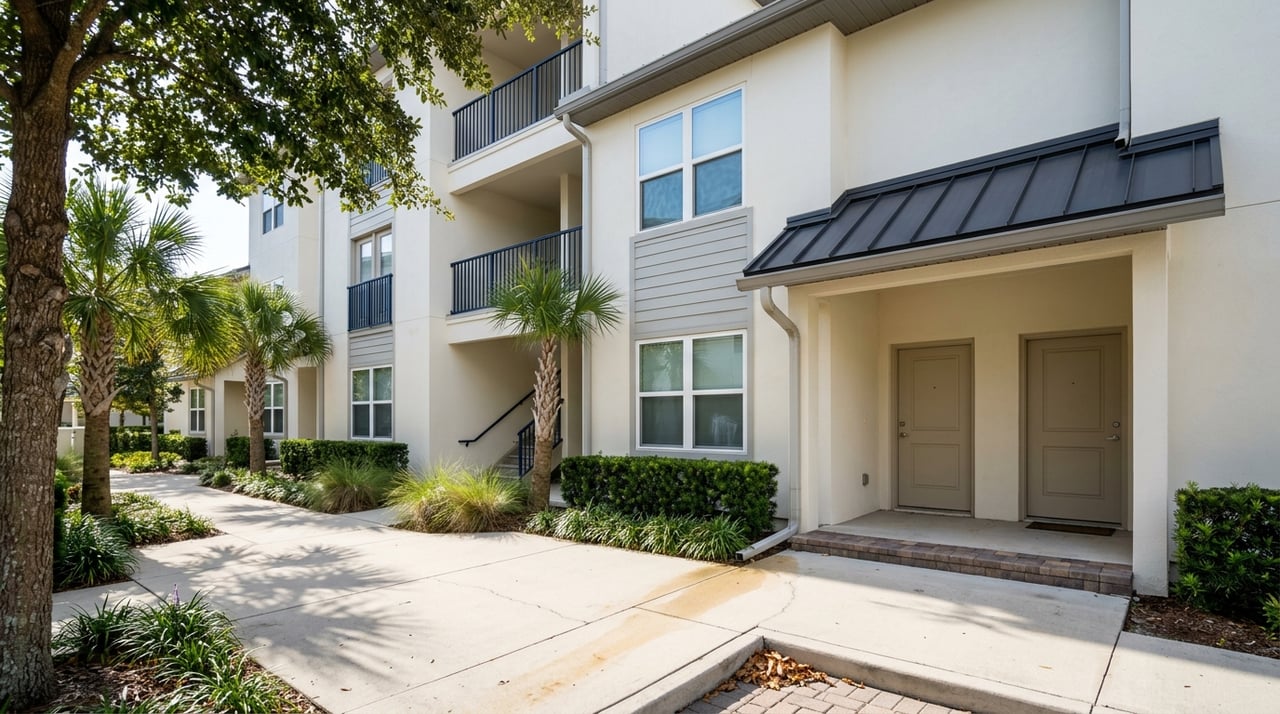
One of Webster’s advantages is variety. The city’s comprehensive plan identifies low-density single-family detached homes, medium-density single-family homes with townhomes and patio homes, and high-density apartments and condominium projects. That means you are not locked into one rental strategy.
Webster is especially apartment-oriented. The city reports about 5,149 apartment units, and roughly 79.2% of residential units are in apartment complexes. The same plan also lists about 890 single-family residences, 188 townhomes, and 461 condominium units.
For a new investor, that range can be helpful. You may prefer a condo or townhome with a lower maintenance footprint, or you may want a single-family home that could attract a longer-term renter. The right fit depends on your budget, your comfort with repairs, and whether monthly fees still support your cash flow goals.
In Webster, access often drives value. The city’s land-use plan places residential development along corridors like Egret Bay Boulevard, NASA Parkway, Highway 3, East Medical Center Boulevard, and El Camino Real. Those areas connect housing to major employers, retail, and medical services.
If you are buying your first rental, that corridor pattern is important. A property near major work and service hubs may have a broader pool of potential renters than one in a more isolated spot. Easy access can also help during future resale, especially in a market where convenience is a key part of daily life.
This does not mean one street is always better than another. It means you should look closely at how a property sits in relation to major roads, traffic flow, employment centers, and everyday errands. A rental that is easy to live in is often easier to lease.
Webster benefits from a diverse local and regional employment mix. City planning materials point to major medical and aerospace employers in the area, including HCA Houston Healthcare Clear Lake, UTMB, and contractors tied to NASA Johnson Space Center. The city also highlights broader economic activity tied to healthcare, education, office, hospitality, and retail.
NASA’s Johnson Space Center is a major regional anchor. City planning documents describe it as a nearby employer with about 15,000 federal and contract employees. That broad base can help support demand from healthcare workers, educators, aerospace employees, contractors, and other service-sector renters.
For you as an investor, this matters because a market with several job drivers can be more flexible. You are not relying on one employer or one industry alone. That can make Webster an appealing place to start if you want a rental in an area with multiple demand sources.
Cash flow is simply the money left after you collect rent and pay recurring property costs. Many first-time investors focus too heavily on the rent number and not enough on the full monthly expense picture. In Webster, that can lead to an overly optimistic estimate.
Common rental expenses can include maintenance, insurance, property taxes, interest, repairs, management fees, utilities, and other ongoing costs. If you are comparing a condo, townhome, and single-family home, each option may carry a very different cost structure. A lower purchase price does not always mean a stronger return.
You should also account for vacancy and routine upkeep. Even if a property rents quickly, you still need room in your numbers for turnover costs, minor repairs, and the unexpected. A deal only works if it still makes sense after real-world expenses are included.
Texas property taxes can have a big impact on rental performance. The Texas Comptroller notes that property taxes are set by local taxing units, and multiple taxing entities can apply to the same property. In practice, that means you should verify the parcel-level tax burden before assuming a property will cash flow.
This is especially important when you compare different property types in Webster. A condo, townhome, and single-family home may have very different tax and fee structures, even if the list prices look close. If you skip this step, your monthly carrying cost may be much higher than expected.
Before you buy, review the current tax picture carefully and factor it into your full payment. It is one of the most important local due diligence steps for any Texas rental property.
In Webster, condos and townhomes can be attractive entry points for first-time investors. They may offer a lower-maintenance setup, but they can also come with homeowners association dues and shared community rules. Those monthly costs need to be part of your numbers from the start.
HOA dues are not automatically a bad thing. They may cover exterior maintenance or other shared expenses that reduce your direct workload. Still, they affect cash flow, and you want to understand what is included before you decide a property fits your goals.
If you are comparing several options, line up the rent potential next to taxes, insurance, dues, and likely maintenance. That side-by-side view often makes the best choice much clearer.
Flood risk is a real part of buying property in Webster. The city notes that several areas are prone to 100-year and 500-year flood events, especially near Clear Creek. That means floodplain status and insurance costs should be treated as part of your monthly investment picture.
For a first-time investor, this is not a detail to check later. A property that looks affordable on paper may become far less attractive once insurance and risk are fully understood. You want to review flood exposure early so you can evaluate the property with a realistic budget.
This is one area where hyperlocal guidance can be especially helpful. Two properties in the same general area can carry very different risk and cost profiles, so a close look at the specific property matters.
If you do not want to manage the property yourself, Texas rules make it important to hire the right help. The Texas Real Estate Commission says a license is required for certain property-management activities, including showing or leasing a property for compensation. A license is also required for anyone who controls acceptance or deposit of rent from a resident of a single-family residential unit.
That means property management is not just about convenience. It can also be a compliance issue. If you are new to rentals, a properly licensed manager may help with leasing, rent collection, repairs, lease administration, and turnover.
This can be especially useful in Webster, where the housing mix includes condos, townhomes, and apartment-style properties with shared systems or association rules. Professional oversight can help simplify the day-to-day side of ownership.
Texas landlord-tenant rules set practical expectations for rental owners. The Texas Attorney General says landlords generally must repair conditions that materially affect a tenant’s health or safety. The office also notes that landlords may not charge for normal wear and tear and generally must return security deposits within 30 days, with an itemized list of deductions when required.
Those rules affect how you budget and operate the property. Repairs, turnover timing, and deposit handling all play a role in your real cash flow. If you are planning your first rental, it helps to think like an owner from day one, not just like a buyer.
Recordkeeping matters too. The IRS explains that security deposits are not treated as income when received if they are meant to be returned, but they become income if retained because lease terms were not met. Small details like that can make your year-end bookkeeping much cleaner.
Before you move forward on a Webster investment property, make sure you review the basics:
A first rental does not need to be perfect. It just needs to make sense with realistic numbers, a manageable level of risk, and a location that supports ongoing demand.
Buying a rental in Webster is different from buying in a market with only one housing style or one demand driver. Here, you are balancing corridor access, flood considerations, property taxes, and a mix of condos, townhomes, and single-family homes. That is where local knowledge can make the process feel much clearer.
When you work with someone who knows Webster and the surrounding Bay Area, you can sort through options faster and focus on properties that match your goals. Whether you are looking at a low-maintenance condo, a townhome, or a single-family rental, local insight can help you evaluate the details that matter most.
If you are exploring rental property opportunities in Webster or nearby Clear Lake communities, Lori Vaughn can help you compare options, understand the local market, and take the next step with confidence.
Stay up to date on the latest real estate trends.




Trust her local insight and dedicated service to guide you through the Houston area real-estate market. With her expertise, personalized support, and commitment to your goals, you’re in excellent hands.